
Experts Who Inform Our Work
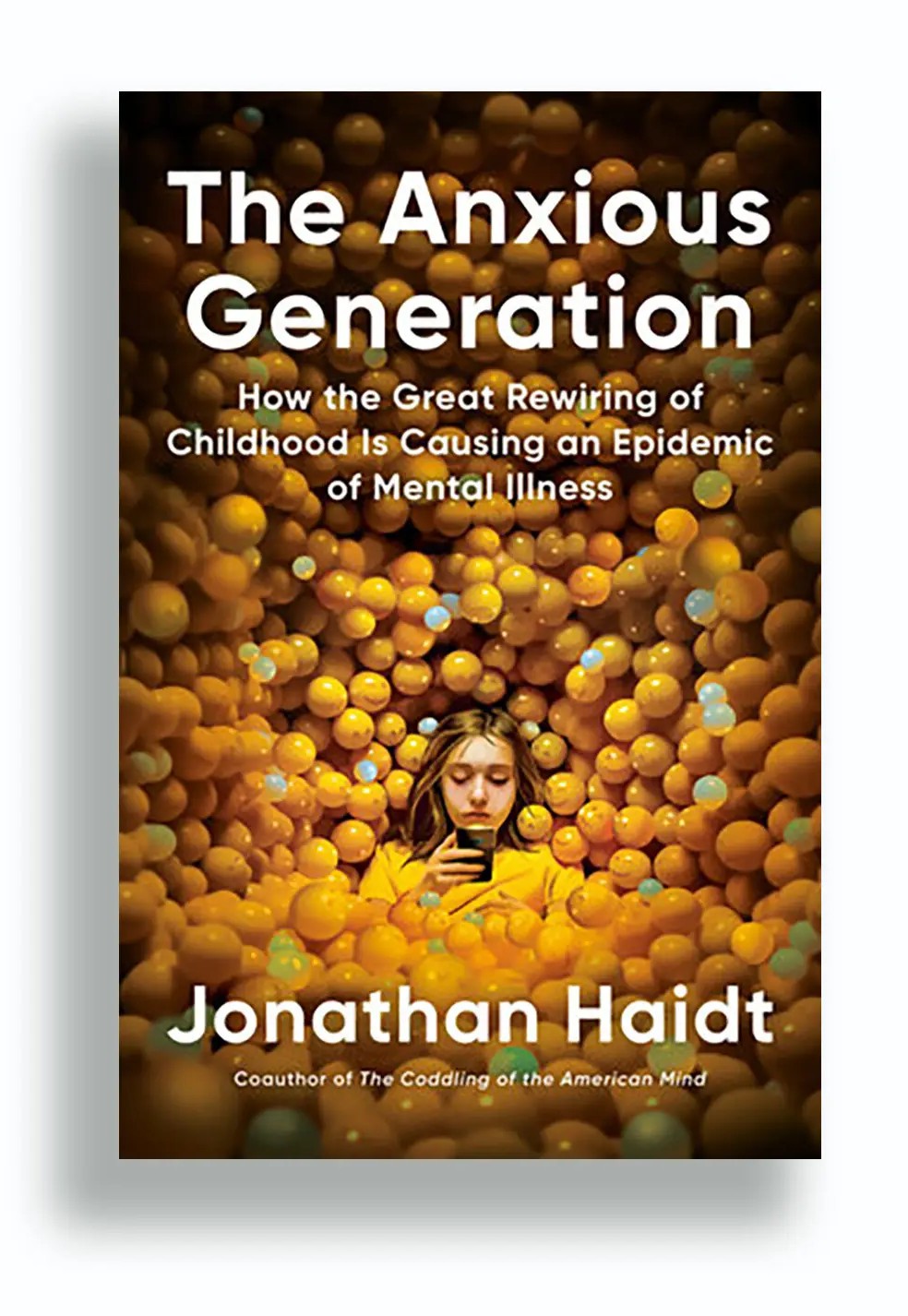
According to social psychologist Jonathan Haidt, author of The Anxious Generation, the widespread introduction of smartphones and social media around 2010 has had profound effects on the emotional health of young people:
Haidt’s research is clear: the more connected children are online, the more disconnected they feel in real life. This “always-on” culture leaves them emotionally drained, socially anxious, and sometimes difficult to deal with.

Richard Louv
Richard Louv’s Last Child in the Woods explores the growing disconnect between children and nature, coining the term “nature-deficit disorder” to describe the emotional and developmental toll of indoor, screen-dominated lifestyles. He argues that regular time in nature is essential for children's mental health, creativity and resilience.
- Children now spend over 7 hours a day on screens and less than 30 minutes in unstructured outdoor play - fueling increased rates of anxiety and attention disorders.
- Since the 1980s, children’s independent outdoor activity has dropped by more than 50%, correlating with a 20% rise in reported emotional and behavioral problems.
- Kids who play outside regularly show 50% fewer symptoms of depression compared to those who engage mostly in screen-based recreation
Dr. Robert Marzano
SHAKTI Warriors is more than engaging content - it’s built on a structured, research-backed approach to learning.
Our lesson plans are modeled after the instructional framework of Dr. Robert Marzano, a leading expert in educational research and classroom strategy.
Each lesson is intentionally designed to:
- Introduce concepts through storytelling
- Build understanding through guided discussion
- Reinforce learning through active practice
- Support reflection and real-world application
This ensures that emotional learning is not only engaging - but consistent, measurable, and easy to implement in the classroom.

Other Research
Other Books
iGen by Jean Twenge
Twenge analyzes decades of national survey data to show how the first generation raised entirely on smartphones reports unprecedented levels of loneliness and emotional distress. Her work is widely cited in debates about screen time and youth mental health.
Organizations
Common Sense Media
A leading nonprofit producing nationally representative research on teen media use. Their reports track screen time trends, social media exposure, and impacts on emotional well-being. https://www.commonsensemedia.org/research
Cyberbullying Research Center (Sameer Hinduja & Justin Patchin)
One of the most respected sources on cyberbullying and digital aggression. Their data reveals how online environments amplify peer harm and psychological vulnerability.
https://cyberbullying.org/
American Psychological Association
The APA issued a formal Health Advisory on adolescent social media use, outlining developmental risks and the psychological vulnerabilities of youth in algorithm-driven platforms. https://www.apa.org/topics/social-media-internet/health-advisory-adolescent-social-media-use
OECD
The OECD’s international research compares how children across nations experience digital life — including cyberbullying, online risk exposure, and life satisfaction impacts.
https://www.oecd.org/en/publications/how-s-life-for-children-in-the-digital-age_0854b900-en.html
Research & Studies
Amy Orben
Orben conducts large-scale longitudinal studies examining how social media affects adolescent mental health. Her work is frequently cited for its rigorous methodology and nuanced findings on digital exposure and well-being.
National Library of Medicine (India)
A systematic review of mental health issues among Indian school children and adolescents shows high prevalence of depression, anxiety, emotional and behavioral problems, and highlights the need for culturally tailored interventions to improve well-being
https://pmc.ncbi.nlm.nih.gov/articles/PMC11194636/?utm_source=chatgpt.com
Blogs, Commentary & Video
Dr. Michele Borba
Focus: Parenting, social-emotional learning, character development
Dr. Borba is an educational psychologist and frequent blogger on children’s emotional intelligence, resilience, and behavioral health. She writes for her own site and major outlets (e.g., Psychology Today) with practical, research-backed advice for parents and educators.
https://micheleborba.com/
Psychology Today blog: https://www.psychologytoday.com/us/blog/how-raise-kids-kind
Jonathan Haidt’s Blog/Newsletter
Focus: Impact of Technology, Social Media
After Babel (Substack) — weekly posts breaking down research and ideas about technology’s impact on kids, culture, and society.
Dr. Dan Siegel – Mindful Brain / Mindsight
Focus: Brain development, attachment, mindful parenting
Dan Siegel maintains a dynamic blog and newsletter through the Mindsight Institute where he writes about child development, neural integration, and mindful practices for healthy emotional growth. Topics include technology, attention, relationships, and family well-being.
Harvard Center on the Developing Child
Harvard experts emphasize that helping children develop strong emotional regulation and life skills—like planning, self-control, and flexibility - is key to their long-term happiness and success, and that supportive caregiving relationships play a central role in fostering these abilities in kids and teens.
https://developingchild.harvard.edu/resources/
Australian eSafety Commissioner Blog
Focus: Digital Safey, children wellbeing, parental engagement
The eSafety Commissioner highlights that the digital world deeply shapes children’s emotional health by exposing them to algorithm-driven content, cyberbullying, and online harms like sexualised material, and advocates for safety-by-design, digital literacy, and parental engagement to support young people’s resilience and well-being online.
These blogs stress that protecting children’s well-being in the digital age requires both empowering families and holding tech platforms accountable for reducing harm and fostering healthier online environments.
https://www.esafety.gov.au/newsroom
Julie Inman Grant
As Australia’s eSafety Commissioner, she has become a global policy voice advocating for stronger protections for children online, including age restrictions and algorithm accountability.
India
Contact Natasha Nayar
US & Other Countries
Contact Lane JaBaay